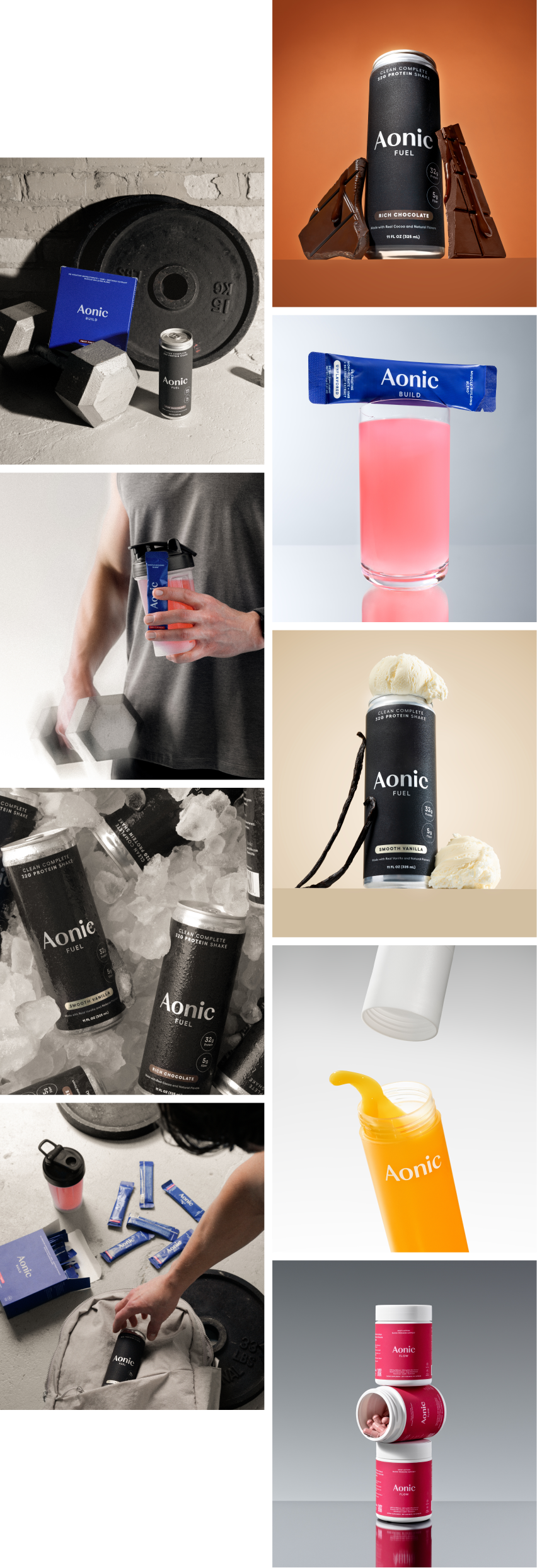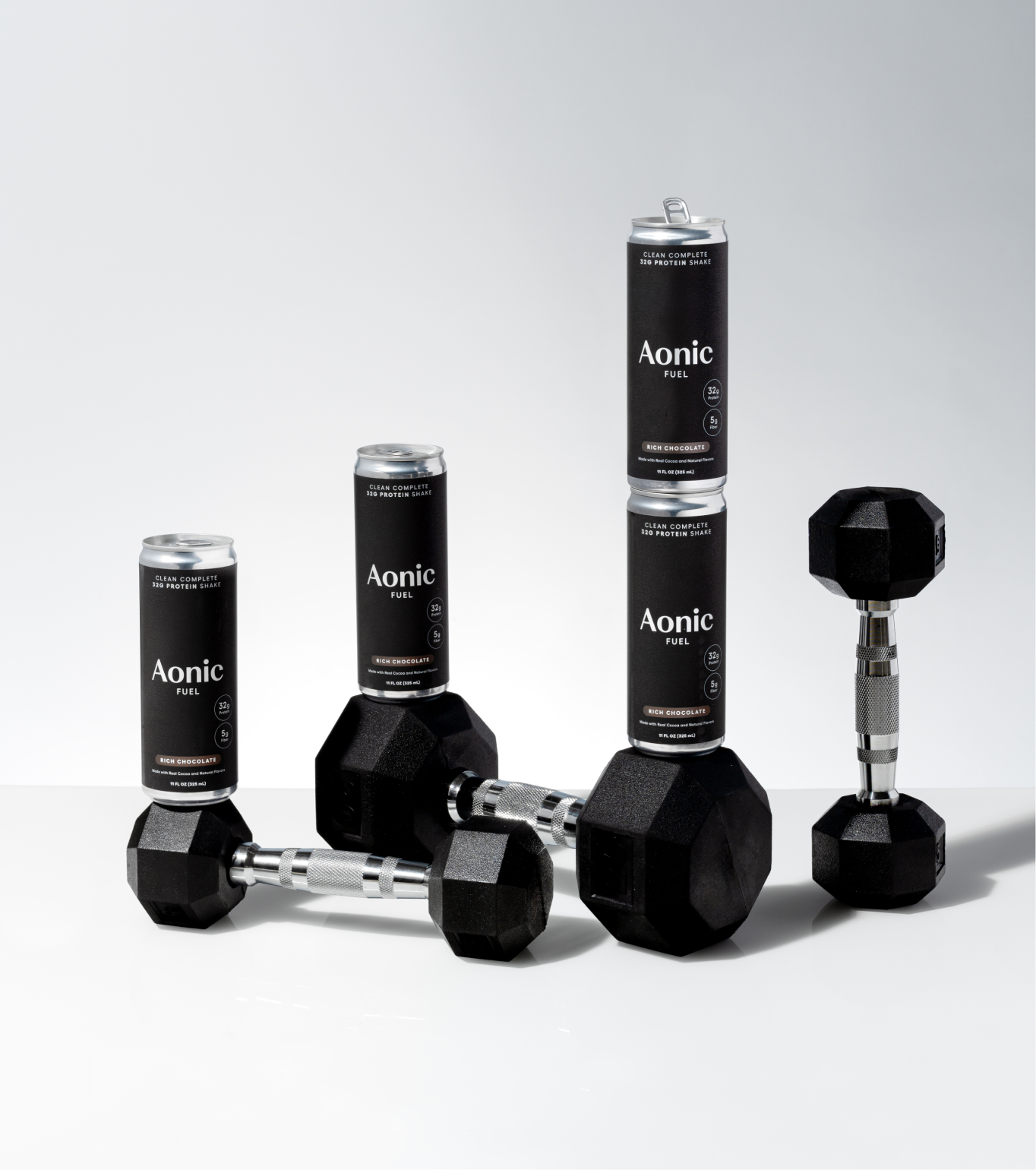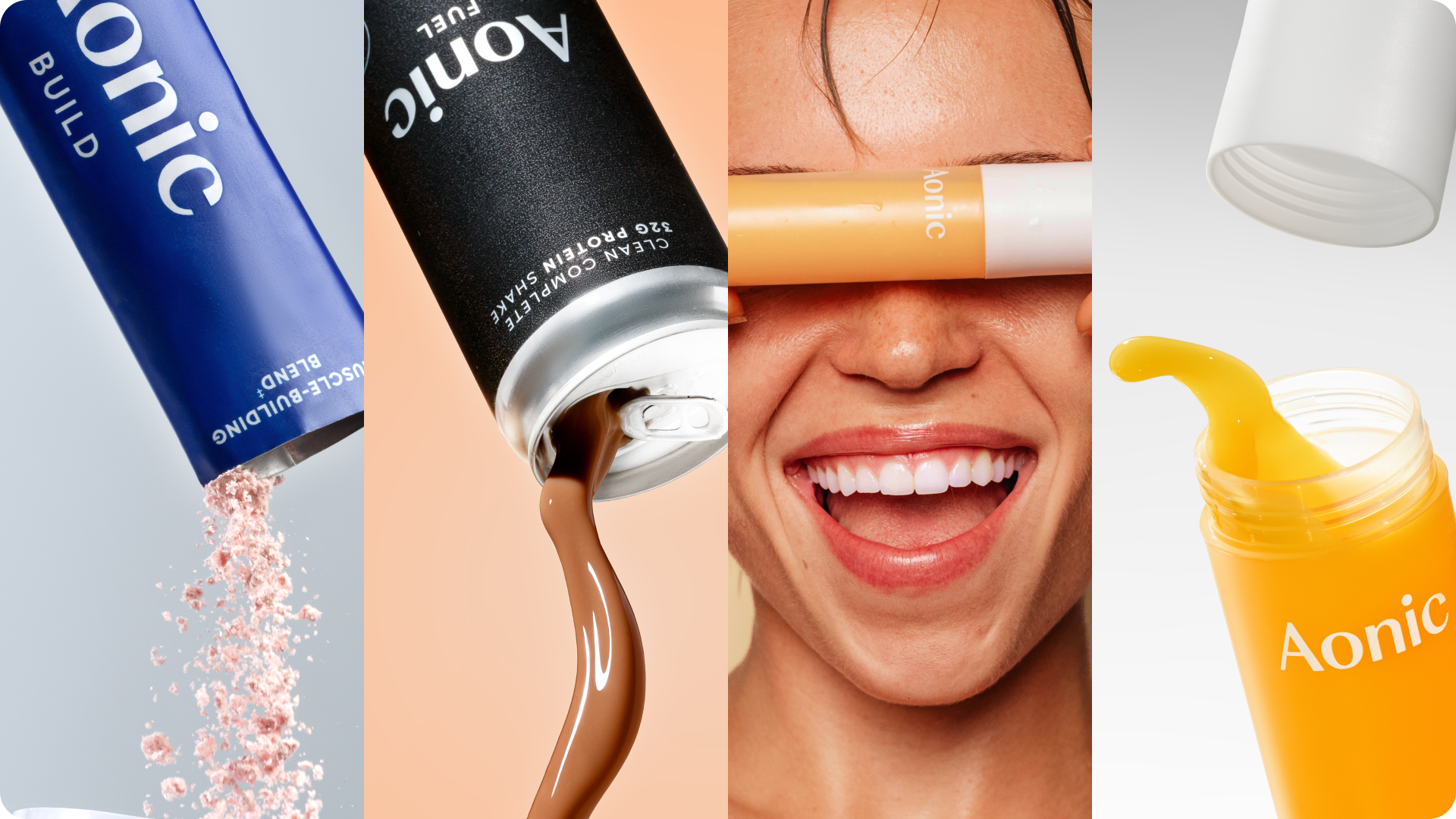

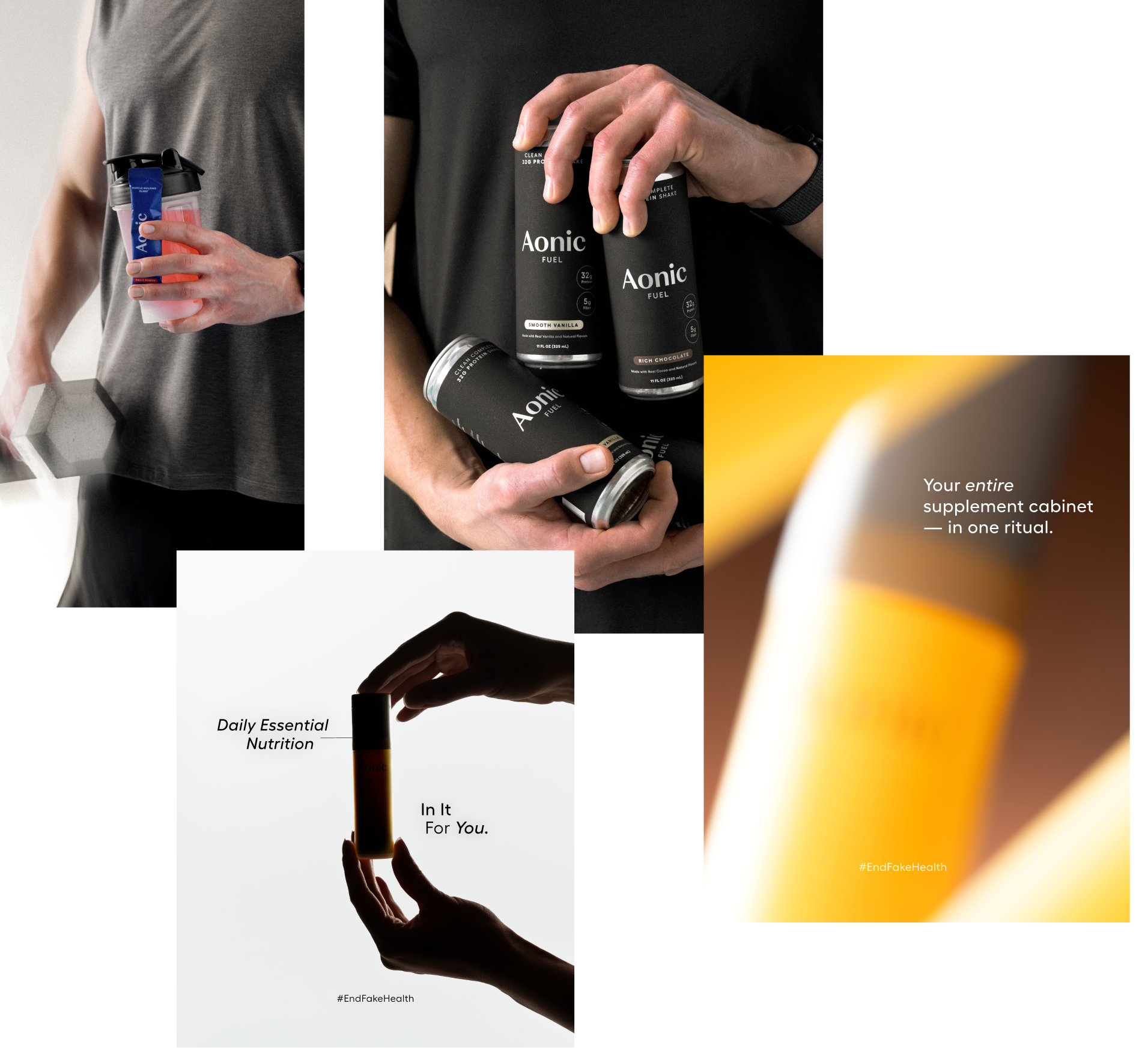
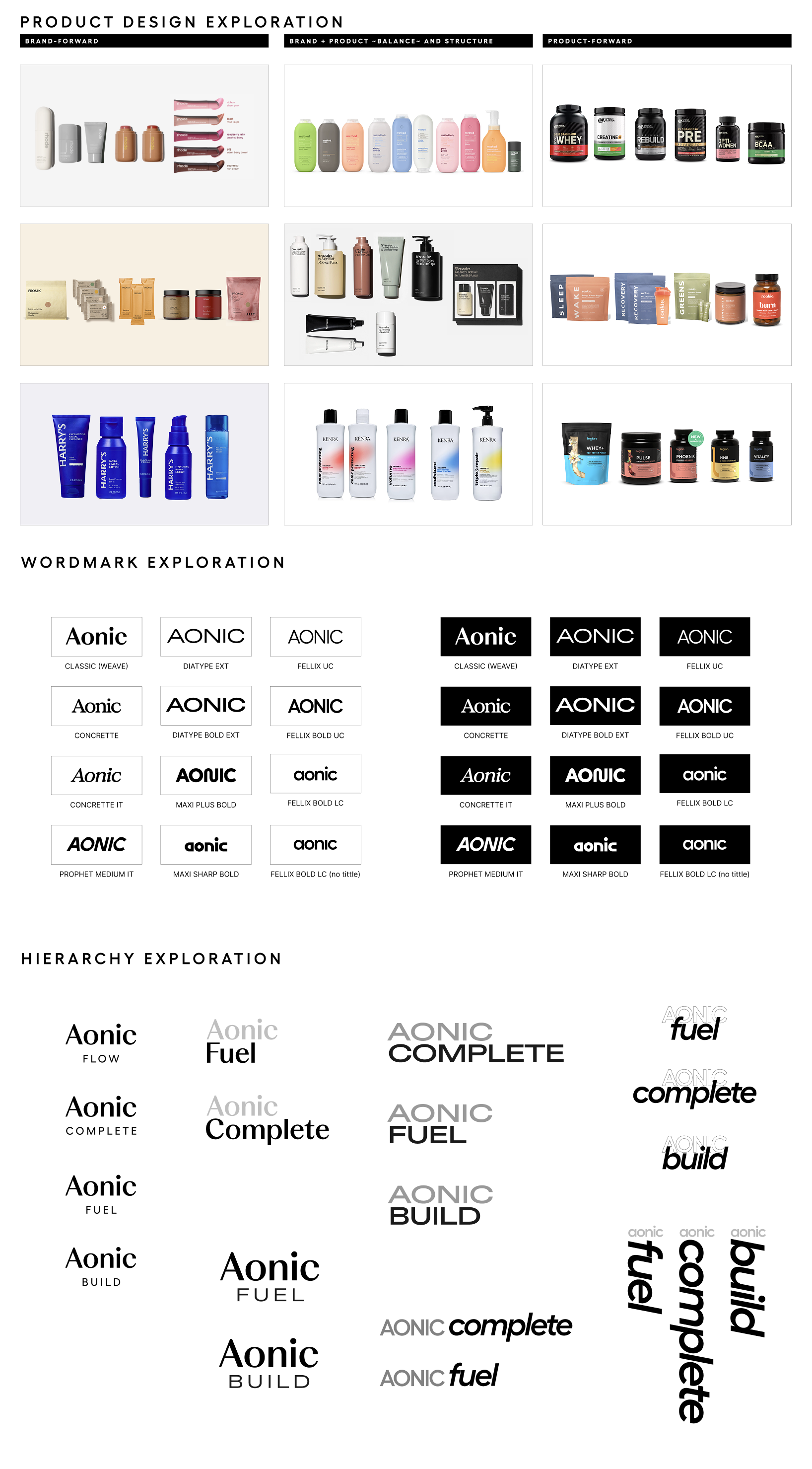
As the founding designer and now Brand & Product Design Lead, I lead the end-to-end creative direction for Aonic, a technical wellness platform.
My role sits at the intersection of brand strategy, physical product packaging, and digital product design. I am responsible for ensuring that our "science-driven" core purpose is felt across every touchpoint, from the box a customer holds to the responsive interface they use to reach their health goals.
Aonic needed a scalable design system that could evolve as the company grew from a single product to a comprehensive ecosystem.
The primary hurdle was a lack of foundational identity and clear creative direction. Without a defined brand strategy, the visual language was inconsistent, making it difficult to balance a premium aesthetic with strict FDA compliance and high-conversion e-commerce requirements. We needed a "source of truth" to align external agencies and ensure the brand remained recognizable as our product line grew.
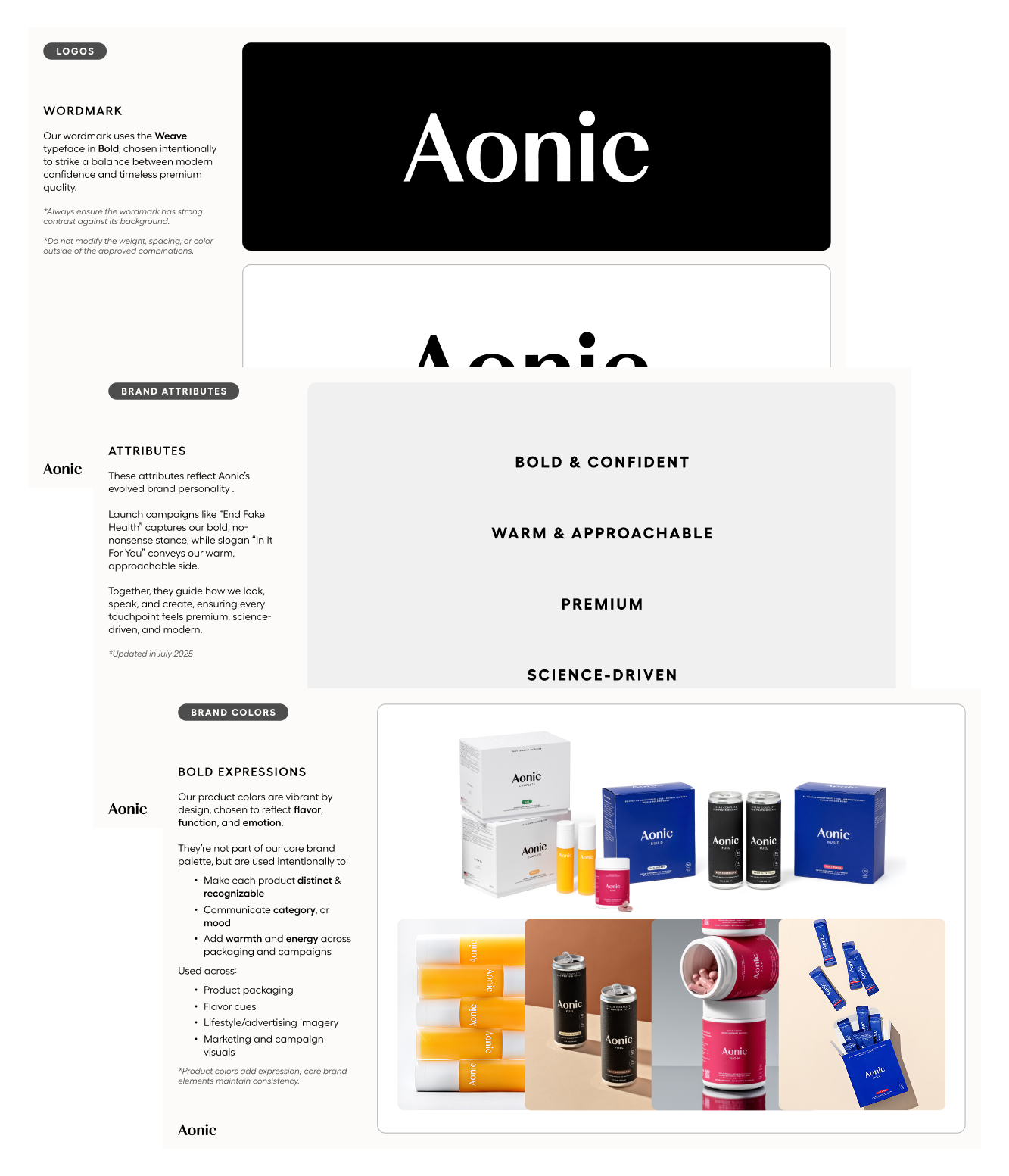
This serves as the "scientific but welcoming" visual soul of the ecosystem. It defines our core identity through guidelines such as Bold Expressions, establishing the specific color palettes and typographic systems that ensure a premium, cohesive brand presence across all physical and digital touchpoints.
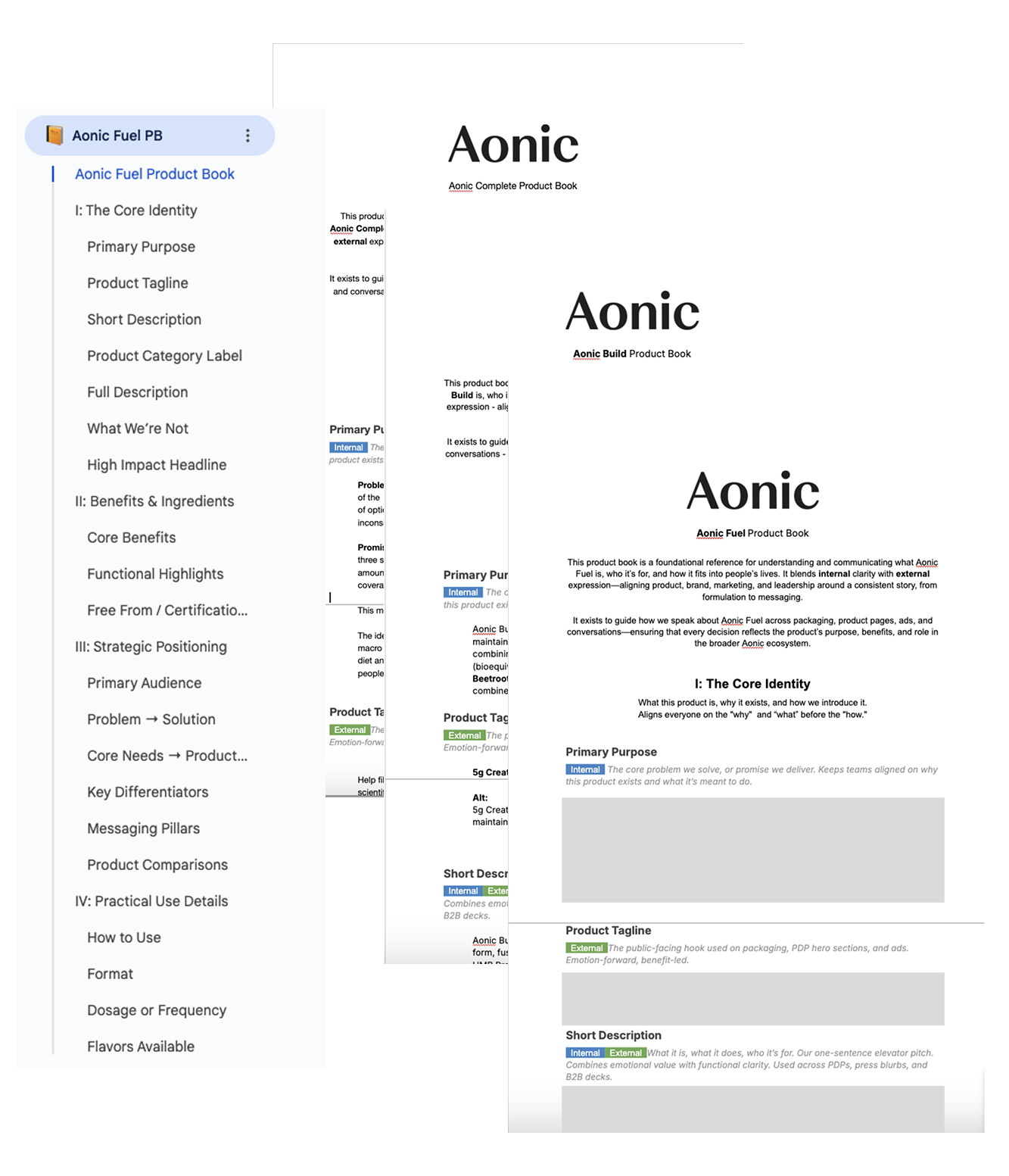
A centralized hub for FDA-compliant copy, ingredient highlights, and strategic use cases. This allows the team to onboard external agencies rapidly while remaining 100% on-brand and compliant across every asset, from a paid social ad to a physical insert.
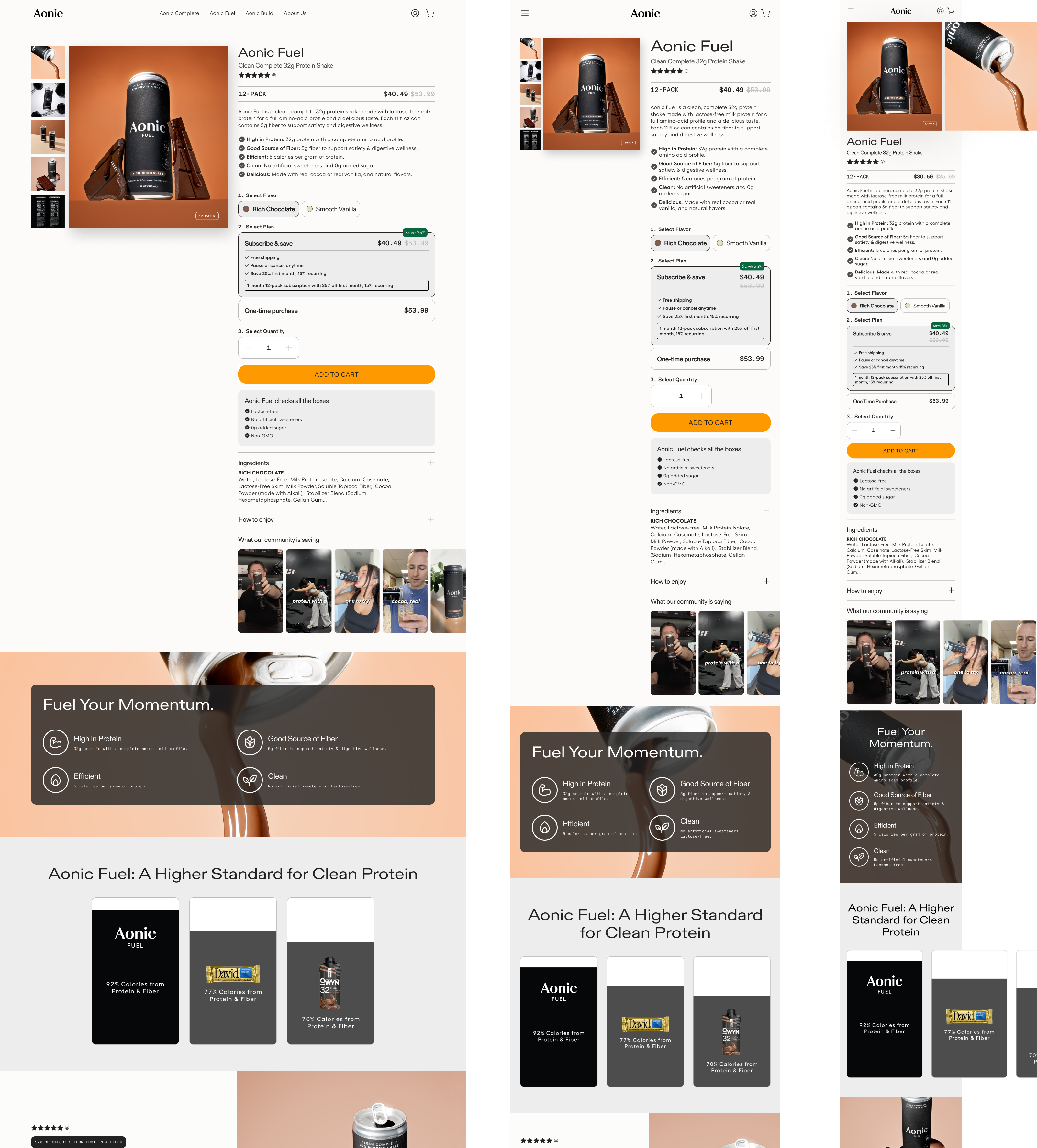
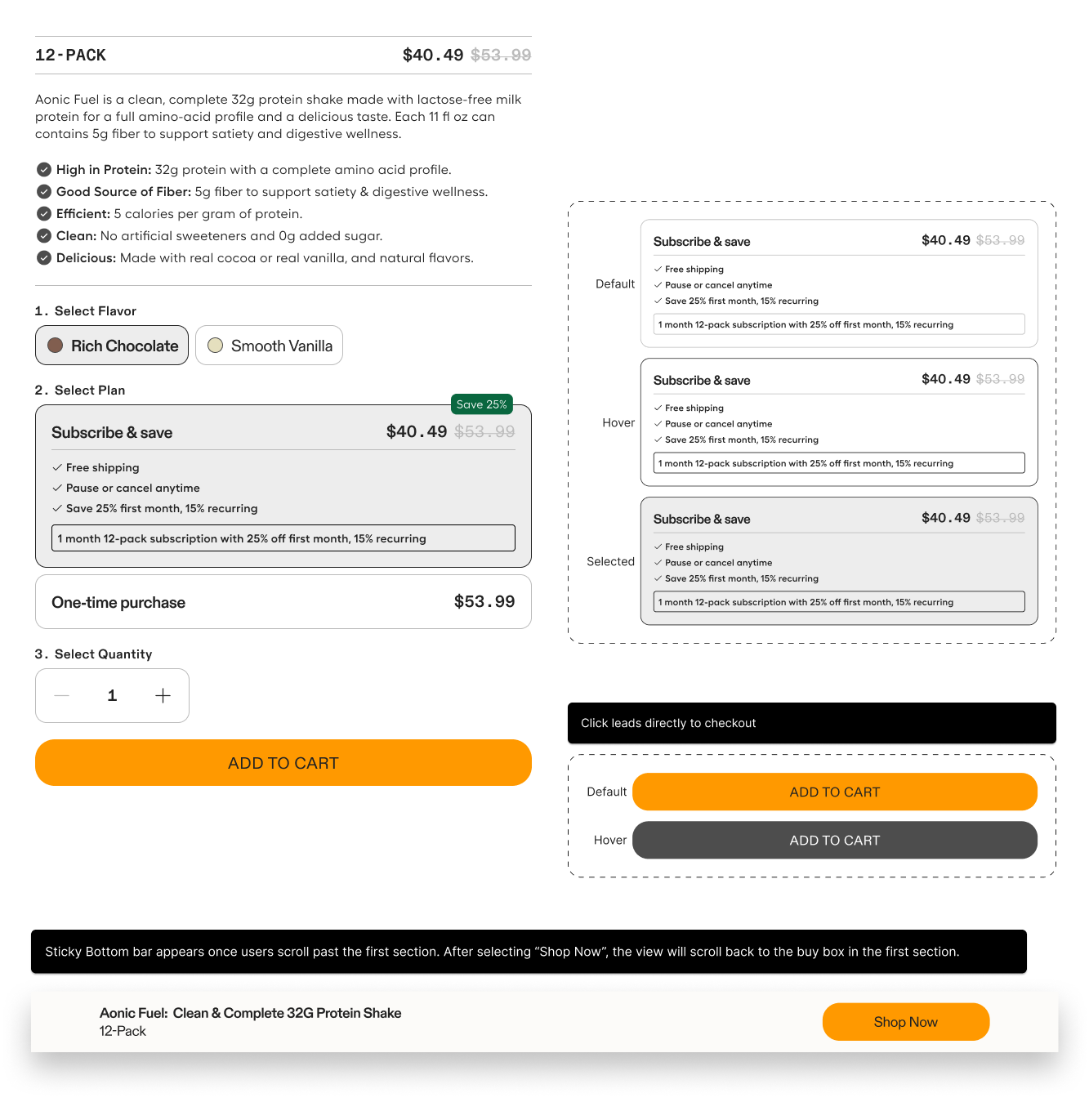
Working with engineering to bring to life a seamless, responsive experience that maintains premium brand aesthetics while optimizing for mobile-first shoppig behaviors.
Driving long-term LTV through friction-less subscription interactions and optimized direct-to-consumer purchase paths.
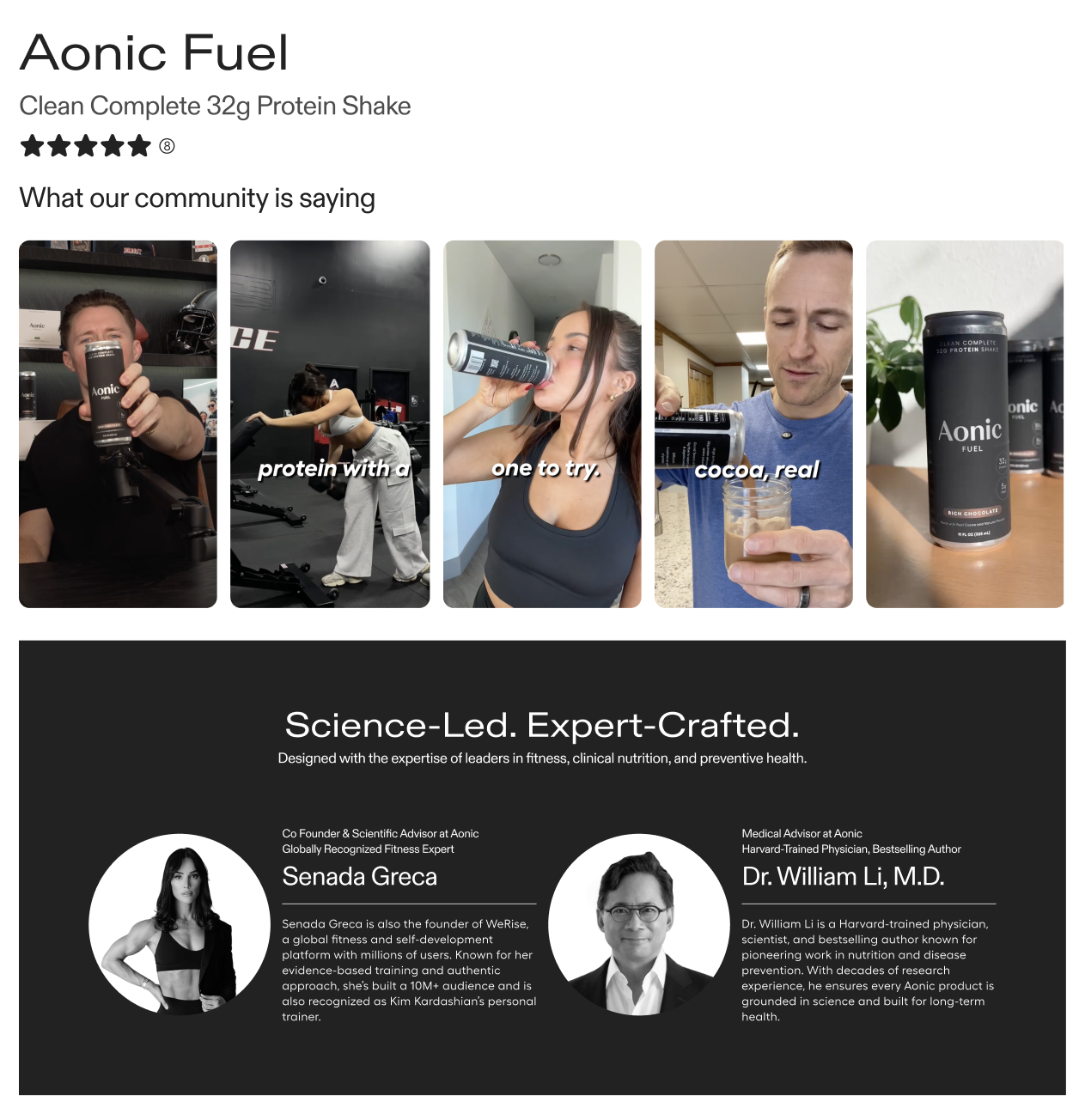
Leveraging social proof to bridge the gap betwee technical science and real-world lifestyle application.
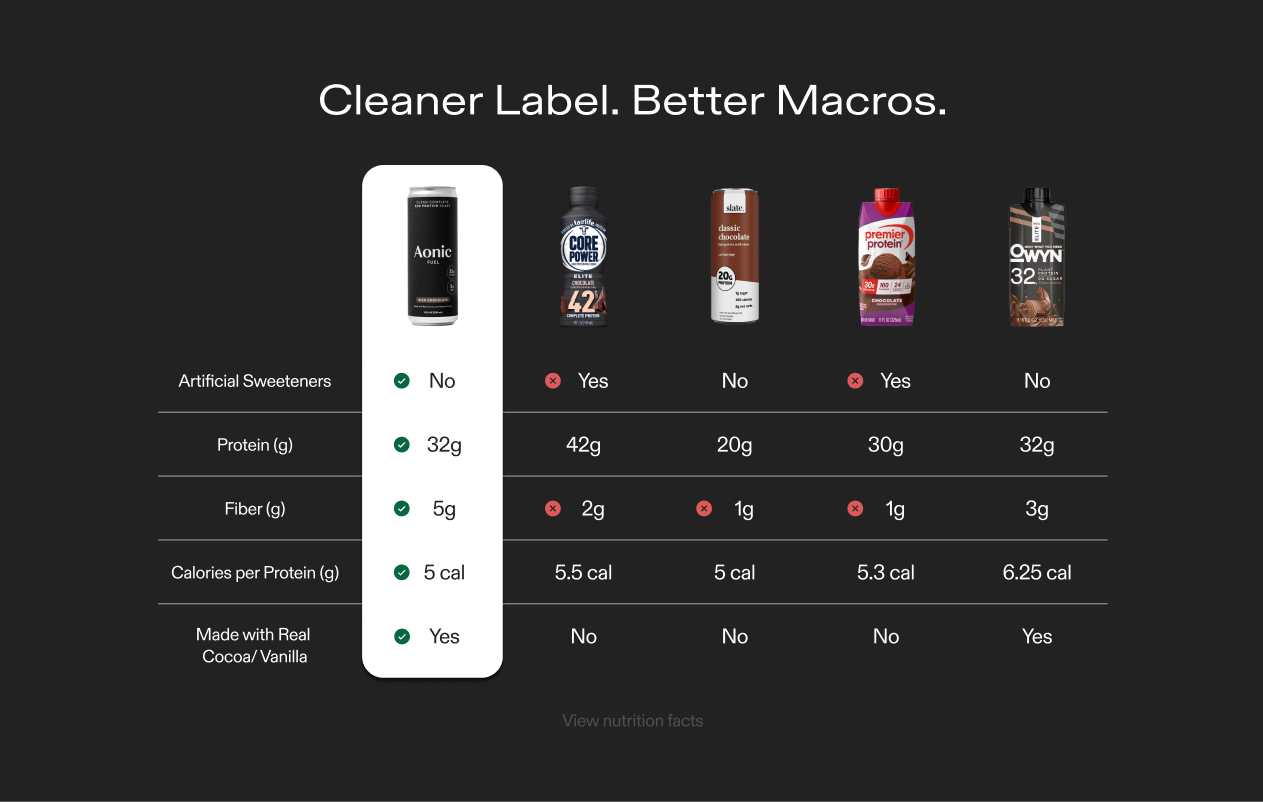
Establishing brand authority through technical transparency. Here is a macro comparison table to translate complex nutritional data into clear, digestible comparisons that empower informed purchase decisions.
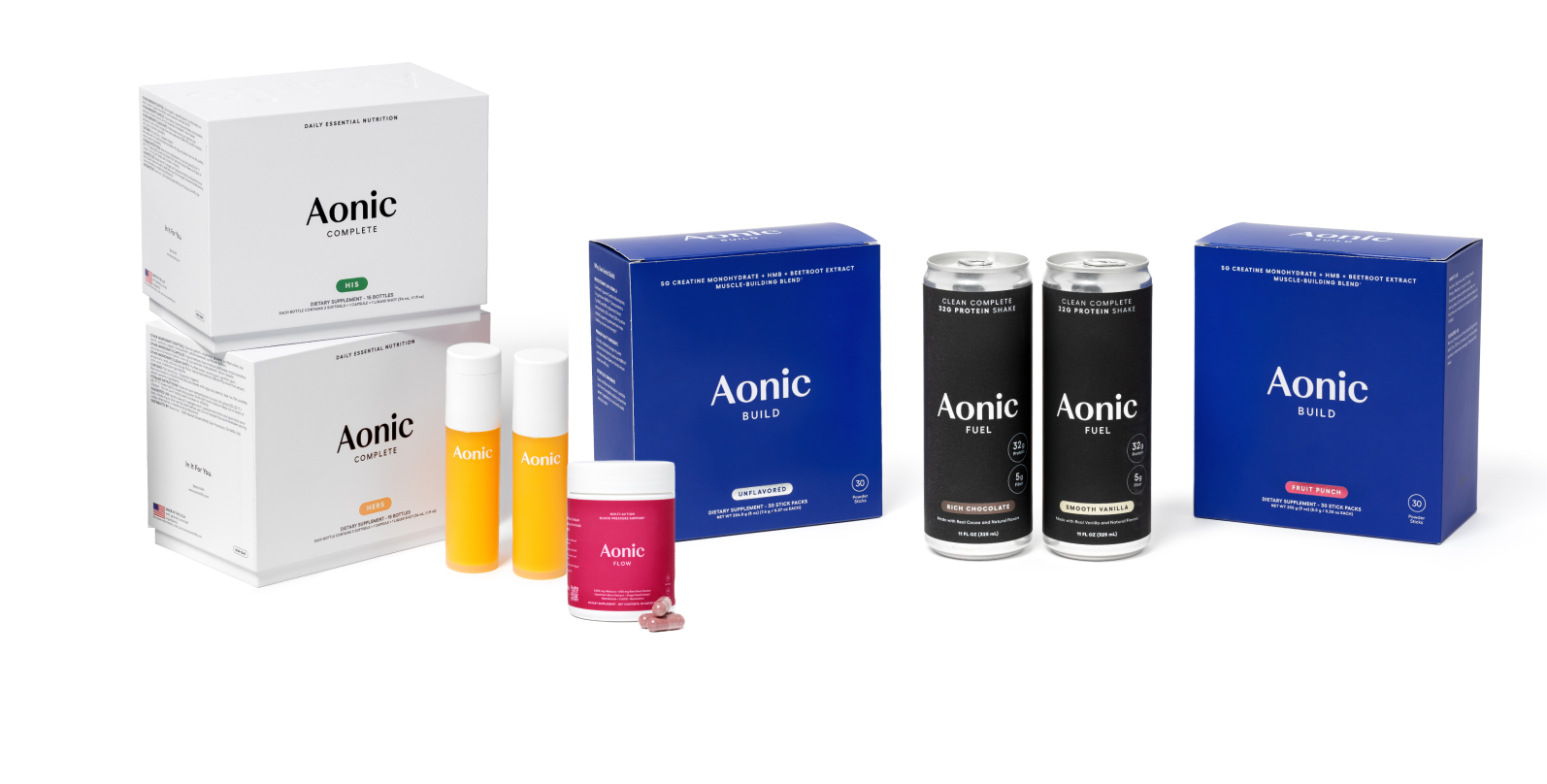
The systems established during this 0-to-1 phase serve as the permanent foundation for Aonic’s future. As we continue to expand our multi-product ecosystem, these Brand and Product Books are designed to evolve and adapt alongside the business.
We are moving into a phase of continuous optimization. Our product pages are not static; we are actively A/B testing key conversion drivers, from layout variations to messaging hierarchies, to ensure we are learning from our users and improving the experience as we scale toward being a global wellness leader.
Early-stage startups move fast, and rigid systems can sometimes cause friction. I learned that a design lead’s role is to build frameworks that are flexible enough to bend but strong enough not to break, allowing for creative exploration without losing brand integrity.
Leading a project of this scale requires constant alignment. I learned that my most valuable tool wasn't just the design itself, but the ability to articulate the "why" behind strategic choices, ensuring the founding team and external partners remained unified under one vision.
Hand-on implementation of the Shopify and Recharge subscription architecture provided a deeper understanding of technical constraints. This informed my design process by highlighting which features were feasible, allowing me to design UI that was both high-impact and technically sound.
Being a founding designer taught me that leadership is about ownership. Beyond creating assets, I learned to manage the momentum of the brand: knowing when to dive into the pixel-perfect details and when to zoom out to ensure the entire ecosystem was scaling toward the right goal.